
Project Onboarding
Project Onboarding is the process of adding a person to a new or existing project. At the onset this is different from onboarding a person into the organization, which is a separate topic of discussion. Here we explore what an organization should consider when onboarding a resource into a IT project.
Let me list out some of the top items that are listed below
Project onboarding: Goals and Objectives
Clearly Communicate the goals and objectives of the IT project to the new team member. Here are a few examples:

- Organize a project kickoff meeting specifically for the new team member. In this meeting, present an overview of the project, including its goals, objectives, and expected outcomes. Discuss the scope of the project, major milestones, and timelines.
- Utilize visual aids such as flowcharts, diagrams, or presentations to illustrate the project’s structure, key processes, and expected outcomes. Visual representations can help the new team member grasp the big picture more effectively.
- Provide written materials, such as project briefs, requirements documents, or project plans, that clearly articulate the project’s goals, objectives, and deliverables. These documents should also outline the project timeline and milestones.
- Schedule one-on-one discussions with the new team member to provide a personalized explanation of the project’s goals and objectives. Allow them to ask questions and seek clarification on any aspects they may find confusing.
- Collaborate with the new team member to establish individual goals and performance objectives aligned with the overall project goals. This helps them understand how their work contributes to the project’s success.
- Use real-world examples or case studies that demonstrate how similar projects have achieved their goals and the impact they had on the organization. This can provide context and help the new team member visualize the desired outcomes.
Project Structure and Roles
Explain the project’s organizational structure, including the roles and responsibilities of team members. In project onboarding it is essential to provide clarity in defining the reporting lines and escalation paths to ensure a smooth collaboration.
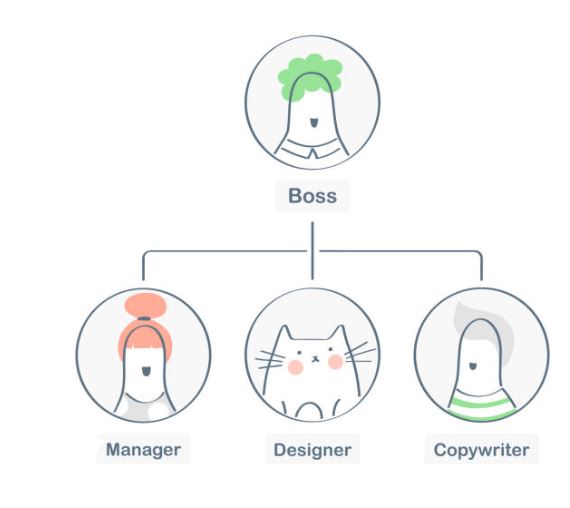
- Provide a clear and concise overview of the project’s organizational structure, including the different teams, departments, and their respective roles. Explain how these teams collaborate and interact with each other within the project context. Use diagrams or visual representations, if possible, to illustrate the structure and relationships.
- Clearly define the roles and responsibilities of team members within the project. Outline the specific tasks, deliverables, and areas of expertise expected from each role. Emphasize the interdependencies and collaborative nature of the project, highlighting how each role contributes to the overall success of the project.
- Explain the reporting lines and escalation paths to ensure effective communication and issue resolution. Clarify who team members report to, who they should reach out to for guidance or approvals, and how decisions are escalated when necessary. This helps prevent confusion and ensures that everyone understands the appropriate channels for communication and problem resolution within the project structure.
Project Documentation
Provide access to relevant project documentation, such as project plans, requirements documents, design specifications, and any existing documentation. Ensure the new team member understands the project’s context and current progress.

- Set up a centralized document repository or project management system where all relevant project documentation is stored. Grant the new team member appropriate access and permissions to retrieve and review the necessary documents. Ensure the repository is organized and labeled clearly to facilitate easy navigation and retrieval of information.
- Schedule dedicated sessions with the new team member to review and discuss the project documentation. Walk them through the project plans, requirements documents, design specifications, and any other existing documentation that provides context and insights into the project. Encourage questions and discussions to ensure their understanding of the project’s current progress, challenges, and key considerations.
Tech Stack and tools
Familiarize the new team member with the project’s technology stack, tools, and development methodologies being used. Provide necessary training or resources to help them quickly get up to speed.

- Provide an overview of the project’s technology stack, outlining the different technologies, frameworks, and programming languages being used. Explain the purpose and role of each component within the overall architecture. Share any relevant documentation or resources that can help the new team member understand the stack in more detail.
- Offer training sessions or provide resources to familiarize the new team member with the tools and software used in the project. This can include development environments, version control systems, project management tools, testing frameworks, or any other relevant tools. Ensure they have the necessary access credentials and permissions to use these tools effectively.
- Explain the development methodologies and practices employed in the project, such as Agile, Scrum, or Kanban. Describe the workflow, iteration cycles, and any specific processes or ceremonies followed. Help the new team member understand their role within these methodologies and how they can contribute to the project’s success.
Project Culture and Values
Introduce the new team member to the project’s culture and values, emphasizing teamwork, collaboration, and a commitment to project success. Encourage an inclusive and supportive environment.

- Emphasize the importance of collaboration and teamwork within the project. Highlight that the project’s success depends on the collective effort and contributions of the entire team. Encourage open communication, knowledge sharing, and a supportive environment where team members can collaborate effectively.
- Emphasize a culture of continuous learning and innovation. Communicate that the project team values creativity, curiosity, and a growth mind-set. Encourage team members to explore new technologies, propose innovative solutions, and actively seek opportunities for professional development and improvement.
- Emphasize the importance of accountability and taking ownership of one’s work. Communicate that the project team values individuals who take responsibility for their tasks, deliverables, and commitments. Encourage a proactive approach to problem-solving, meeting deadlines, and ensuring the quality of deliverables.
- Respect and Inclusivity: Stress the project team’s commitment to fostering a culture of respect and inclusivity. Emphasize that team members should treat each other with respect, regardless of their roles, backgrounds, or perspectives. Encourage active listening, empathy, and creating a safe environment where diverse ideas and opinions are valued.
Those are the few aspects to keep in mind when inducting a team member into an IT project. You can be more elaborative on project onboarding if you require to prepare one for your organization. Some of the others you may consider are explaining the project risks, the training availability and delivery, and quality expectations.
Authored by Vijay Chander – All rights reserved 2023

Comments are closed